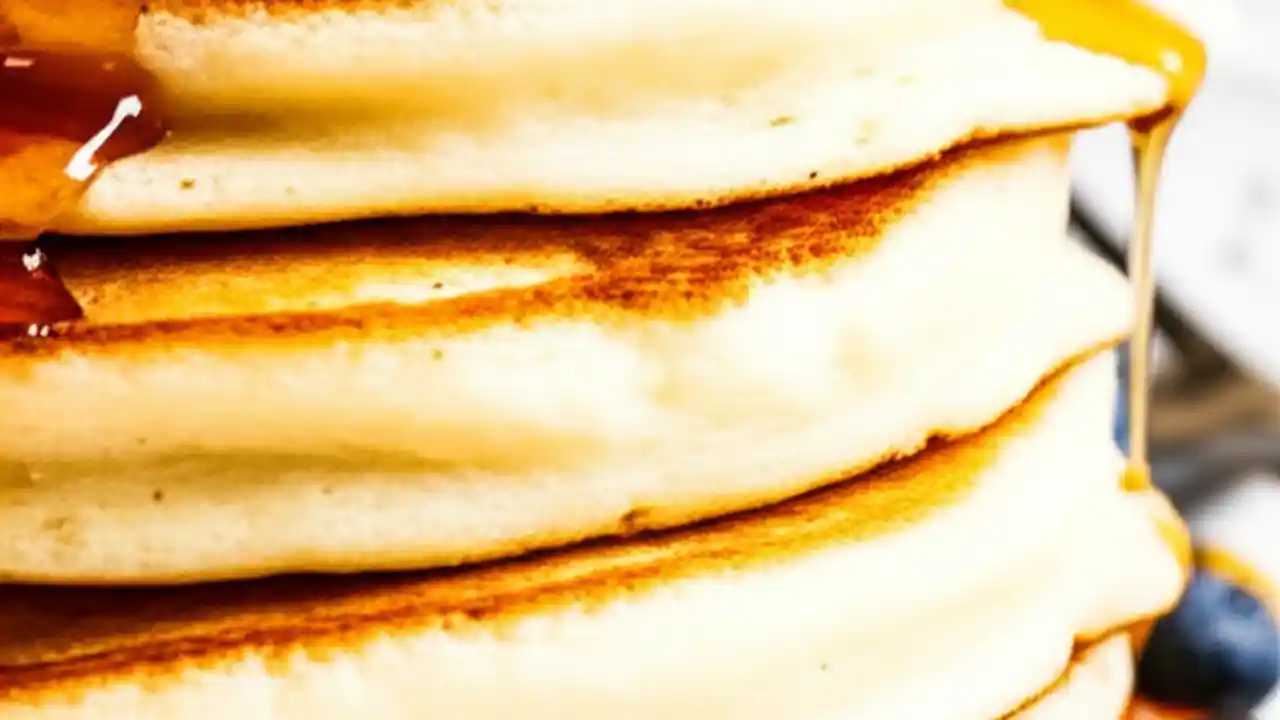
There's a universally acknowledged truth in the breakfast world: the perfect pancake is a thing of beauty. Golden-brown on the outside, incredibly tender, and spectacularly fluffy within. While many ingredients contribute to this blissful experience, one stands out as the unsung hero, the secret weapon that elevates a good pancake to an extraordinary one: buttermilk. The very mention of fluffy, tender buttermilk pancakes conjures images of indulgent mornings, and for good reason. It’s not just a traditional ingredient; it’s a scientific marvel that unlocks unparalleled height, tenderness, and a delightful tang.
The Enigma of Buttermilk: More Than Just Milk and Butter
Despite its name, buttermilk isn't a magical concoction of butter and milk, nor is it laden with fat. Historically, traditional buttermilk was the thin, slightly tangy liquid left behind after churning butter from cultured cream. This byproduct was naturally low in fat but retained the lactose, which, when exposed to airborne bacteria (in the days before pasteurization), fermented into lactic acid. This fermentation process gave traditional buttermilk its characteristic thickness and subtly sour taste.
Why Cultured Buttermilk is Your Pantry Powerhouse
What we find in grocery stores today is "cultured buttermilk." This modern version is produced by introducing beneficial bacterial cultures (often Lactococcus lactis) to pasteurized non-fat or low-fat milk. These cultures work their magic, converting lactose into lactic acid, which causes the milk proteins to coagulate and thicken, resulting in the creamy, tangy liquid we know and love. This process ensures a consistent product that is both safe and remarkably versatile.
The lactic acid in cultured buttermilk is the key to its culinary prowess. It's not just about the flavor; it's about chemistry. This natural acidity is a catalyst for several reactions crucial to baking, especially when it comes to creating the light and airy texture synonymous with the best homemade buttermilk pancakes. It imbues pancakes with a unique depth of flavor, adding a subtle tang that balances the sweetness and richness, preventing them from being cloyingly heavy.
The Unveiling of Fluffiness: Buttermilk's Scientific Superpowers
The quest for the perfect fluffy pancake often begins and ends with buttermilk. Its secret lies in its inherent acidity and how it interacts with other common baking ingredients, particularly leavening agents. This isn't just baking; it's a carefully orchestrated chemical ballet.
The Dynamic Duo: Buttermilk and Leaveners
The primary reason buttermilk pancakes are so notoriously tall and airy is the powerful reaction between buttermilk's lactic acid and baking soda. Baking soda (sodium bicarbonate) is an alkaline compound. When it meets an acid, like lactic acid, it immediately produces carbon dioxide gas. These tiny gas bubbles get trapped within the batter, expanding as the pancakes cook, creating countless small air pockets that contribute to their incredible height and lightness.
However, relying solely on baking soda can sometimes lead to a slightly metallic aftertaste if used in excess. This is where baking powder enters the stage, often alongside baking soda, in well-formulated buttermilk pancake recipes. Baking powder is typically a double-acting leavener. It has two bursts of activity:
- First Reaction: It reacts with the wet ingredients in the batter as soon as they're combined, producing some initial gas.
- Second Reaction: Crucially, it reacts again when exposed to heat in the griddle, releasing a second surge of carbon dioxide. This provides an additional lift during cooking, ensuring the pancakes reach their maximum potential for fluffiness.
The precise balance of these two leaveners, catalyzed by buttermilk, ensures maximum lift without any undesirable flavors, guaranteeing those coveted tall and airy stacks.
Tender Crumb: The Gluten Game
Beyond providing lift, the lactic acid in buttermilk plays another vital role in achieving the perfect pancake texture: it helps to tenderize the gluten. Gluten, formed when water interacts with proteins in flour, creates a network that gives baked goods structure. While essential, too much gluten development can lead to a tough, chewy texture – great for bread, but undesirable for pancakes.
Buttermilk's acidity gently breaks down these gluten strands, preventing them from becoming overly strong and elastic. This results in a pancake that is incredibly tender and almost melts in your mouth, a stark contrast to the denser, chewier texture often found in pancakes made without buttermilk. This enzymatic action is a subtle but profound contributor to the overall mouthfeel.
That Signature Tang: A Flavor Profile Enhancement
Finally, let's not overlook the distinctive flavor buttermilk imparts. Its subtle, pleasant tang cuts through the richness of the butter and syrup, adding a sophisticated depth that elevates the entire breakfast experience. It’s a nuanced taste that makes buttermilk pancakes truly unique and incredibly satisfying, a flavor dimension that simply cannot be achieved with regular milk.
Crafting the Perfect Buttermilk Pancake Batter
Understanding the science is one thing; applying it in the kitchen is another. Achieving superlative buttermilk pancakes involves not just the right ingredients, but also the right technique.
The "Just Mixed" Principle: Lumps are Your Friends
One of the most crucial tips for a truly tender pancake is to avoid overmixing the batter. When you combine the dry and wet ingredients, the goal is to mix them "just until combined." This means it's perfectly normal – and even desirable – to see small or medium lumps in your batter. These lumps are simply tiny pockets of unhydrated flour, and they are a sign that you haven't overdeveloped the gluten. Overmixing will lead to excessive gluten formation, resulting in tough, rubbery pancakes rather than the light, fluffy texture you're aiming for.
A gentle hand and a whisk are all you need. Combine the dry ingredients in one bowl, the wet (buttermilk, eggs, melted butter) in another, and then quickly fold the wet into the dry. Stop mixing as soon as no dry streaks of flour remain.
The Importance of Resting Your Batter
Once your lumpy, beautiful batter is ready, resist the urge to immediately start cooking. Allowing the batter to rest for 5-10 minutes (or even up to 30 minutes in the fridge) can significantly improve your pancakes. During this rest period:
- The flour has time to fully hydrate, ensuring an even consistency.
- Any gluten that did develop has a chance to relax, contributing to tenderness.
- The leavening agents have a head start, preparing for their grand performance on the griddle.
From Batter to Golden Perfection: Mastering the Griddle
Even with the perfect batter, cooking technique is paramount for achieving those ideal golden, fluffy disks.
Optimal Heat and Pan Preparation
Whether you're using an electric griddle, a cast-iron skillet, or a nonstick pan, consistent, medium heat is key. Too low, and your pancakes will be dense; too high, and they'll burn on the outside before cooking through. Lightly grease your cooking surface with butter, oil, or non-stick spray, ensuring an even coating. A perfectly preheated surface will sizzle gently when a drop of water is flicked onto it.
The Flip Test: When to Know Your Pancake is Ready
Knowing when to flip is a critical skill. Don't rush it! Look for these tell-tale signs:
- Bubbles: Small bubbles will begin to form on the surface of the pancake.
- Edges Setting: The edges of the pancake will start to look dry and firm.
- Surface Integrity: The bubbles will burst and leave tiny holes, and the raw batter in the center will diminish.
Once you see these indicators, it's time to flip. The second side typically cooks in about half the time of the first, as the griddle retains heat and the pancake is already partially cooked. Aim for a beautiful golden-brown on both sides.
For more detailed step-by-step instructions and a fantastic starting point for your own breakfast masterpiece, be sure to check out Martha Stewart's Go-To Fluffy & Tender Buttermilk Pancakes. And if you're ready to ditch the box mixes for good and experience the sheer joy of homemade, you'll love our guide on how to Never Use a Mix Again: Easy, Fluffy Homemade Buttermilk Pancakes.
In conclusion, the legendary status of buttermilk pancakes is no accident; it's a testament to brilliant food science. From the tangy lactic acid that ignites leaveners and tenderizes gluten to the nuanced flavor it imparts, buttermilk is truly the secret ingredient. So next time you're craving a stack of perfectly fluffy, tender, and subtly tangy pancakes, reach for that carton of buttermilk – your taste buds, and your breakfast table, will thank you.
